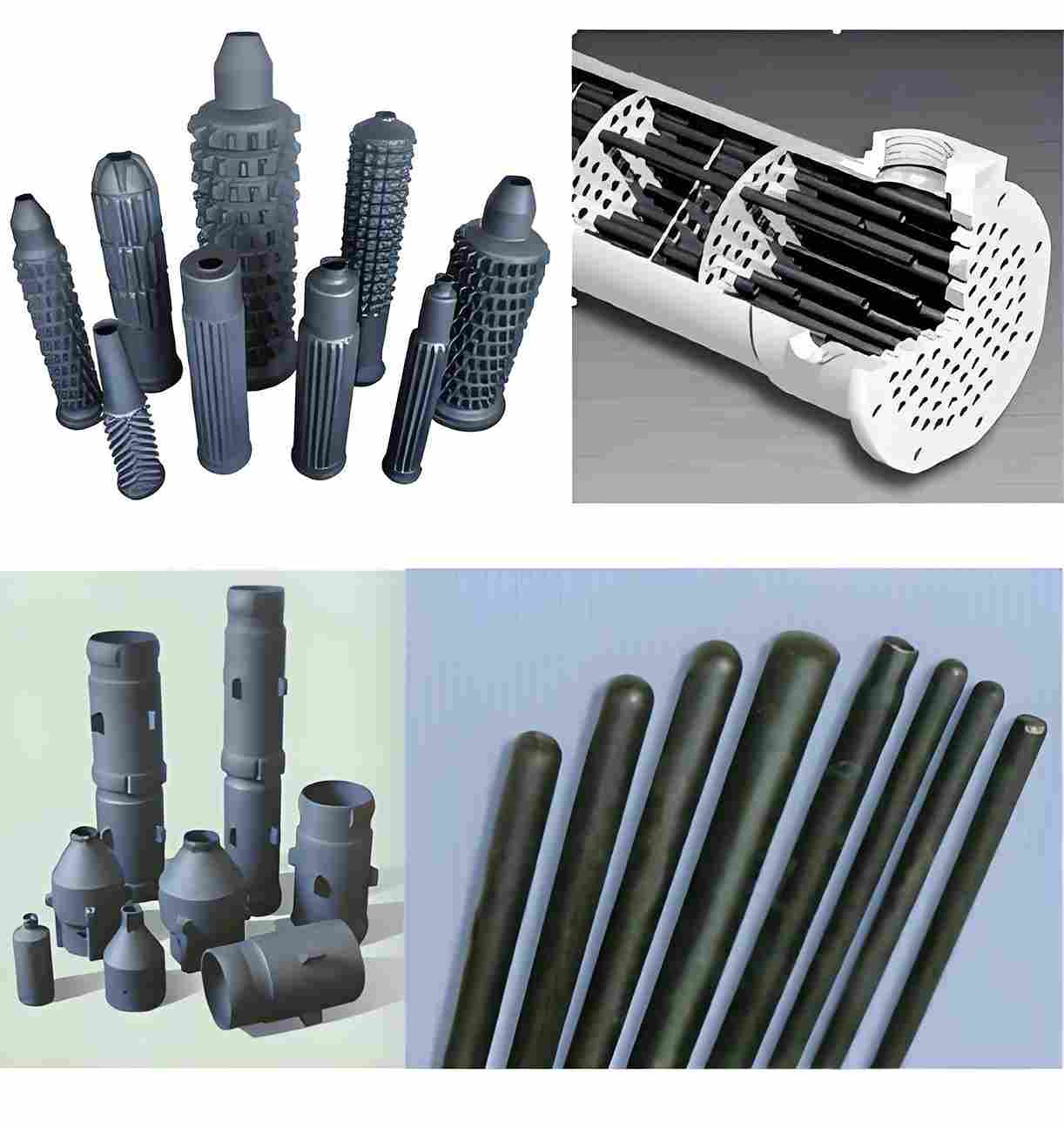
Silicon carbide (SiC) furnace tubes are designed for high-temperature strength, thermal shock resistance, and long service life. But they are not immortal. Waiting until a tube cracks, leaks, or collapses inside your furnace is a very expensive way to learn where the real lifetime limit is.
This guide explains when to replace silicon carbide furnace tubes, what warning signs to watch for, and how to build a practical replacement strategy that protects both uptime and safety.
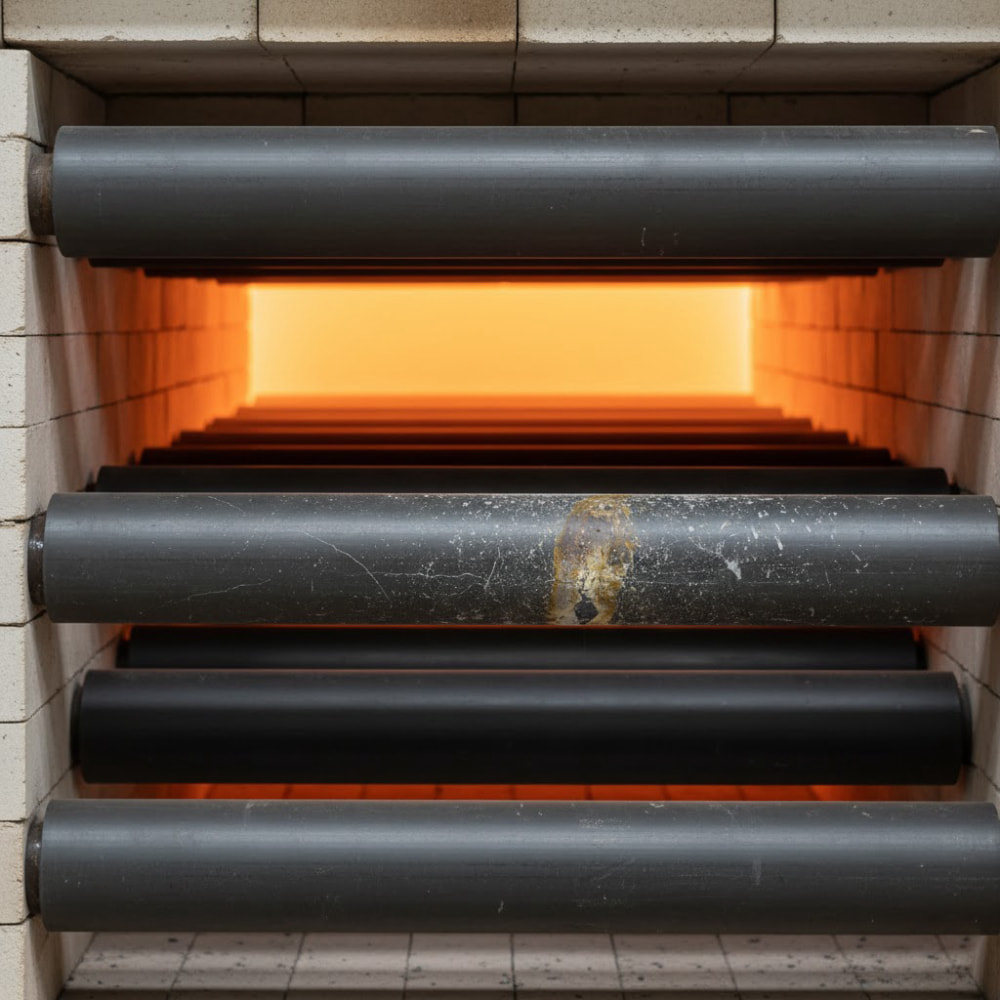
The role of SiC tubes in industrial furnaces
In many industrial furnace designs, SiC tubes are used as:
- Radiant tubes carrying combustion gases or electric heating elements
- Process tubes guiding hot gases, liquids, or reactive atmospheres
- Thermocouple protection tubes shielding sensors from corrosive atmospheres
Because they sit in the hottest, most chemically aggressive zone, any failure can lead to furnace damage, product scrap, and safety risks. Knowing when a tube is “done” before it breaks is a core part of good furnace maintenance.
What determines silicon carbide furnace tube lifetime?
Even with the same tube design, lifetime varies widely between plants. Key factors include:
- Operating temperature and profile (setpoints, soak times, cycling)
- Atmosphere (oxidizing, reducing, carburizing, corrosive gases)
- Thermal cycling frequency (continuous vs frequent start/stop)
- Mechanical support and alignment in the furnace structure
- Fuel and combustion setup for burner-fired radiant tubes
- Initial tube quality and material grade
In practice, lifetime is best defined by your own history with a given tube type, such as silicon carbide tubes from the same supplier under similar duty. The goal is to combine that history with visible warning signs to decide when to retire tubes before they fail catastrophically.
Visual warning signs your SiC tubes are near end-of-life
Regular visual inspections during shutdowns are your first line of defence. Watch for:
1. Cracks and craze patterns
- Longitudinal cracks running along the tube length
- Circumferential cracks around the tube at specific heights
- Fine crazing or networks of hairline cracks near hot spots or flanges
Small, stable surface crazing may be acceptable in some duties, but through-cracks or cracks that grow between inspections are clear end-of-life indicators.
2. Wall thinning and erosion
- Local thinning where burners, flame, or hot gas jets impinge on the tube
- Internal erosion in tubes carrying abrasive particles or powders
- External erosion from high-velocity hot gas around the tube
Once wall thickness in any area drops below your minimum design value, the tube should be scheduled for replacement at the next safe opportunity.
3. Bulging, sagging, or deformation
- Visible sag in horizontal tubes between supports
- Out-of-round sections or bulging at the hottest zone
- Misalignment of tube ends at the furnace shell
Deformation shows that the tube is reaching its structural limits at temperature. Continuing to run in this condition risks sudden collapse or cracking.
4. Severe glazing, oxidation, or surface changes
- Heavy glassy or whitish layers on the hot face
- Deep pitting, scaling, or spalling of the surface
- Localized “burned” zones where the surface texture changes sharply
These changes often indicate sustained operation outside the original design envelope (temperature or atmosphere), and they tend to accelerate further damage if ignored.
Operational warning signs you shouldn’t ignore
Some warning signs only show up in the data or during operation, not just visually.
1. Changes in temperature uniformity
- Zones of the furnace that become harder to heat or overshoot setpoint
- Increased temperature spread between thermocouples near certain tubes
These can indicate reduced heat transfer due to internal deposits, external scaling, or tube degradation.
2. Unusual noise or vibration
- Buzzing, rattling, or metallic contact noises from tube supports or hangers
- Changes in burner sound suggesting restricted flow through radiant tubes
Noises often mean something has moved: supports, tube geometry, or internal hardware. That is your cue to plan an inspection quickly.
3. Atmosphere or pressure anomalies
- Unexpected changes in chamber pressure or gas flow
- Difficulty maintaining controlled atmosphere conditions
Cracks or leaks in SiC tubes used for gas containment can allow cross-contamination between tube interior and furnace atmosphere, leading to quality problems and safety risks.
4. More frequent minor repairs around the same tube
- Repeated sealing or shimming around the same pass-through
- Recurring burner tuning adjustments in the same zone
When a tube or its bay keeps demanding attention, it’s often cheaper to replace the tube proactively than to keep “fixing” symptoms.
Inspection checklist for silicon carbide furnace tubes
During planned shutdowns, use a structured checklist instead of a quick glance:
- Record tube ID, location, operating hours, and number of cycles.
- Inspect the full length of each tube with good lighting, inside and outside where accessible.
- Note any cracks, deformation, heavy scaling, discolouration, or support issues.
- Measure wall thickness at critical points if your maintenance procedure allows it.
- Compare findings with previous inspections to detect trends, not just snapshots.
Documenting each inspection turns “feels weaker than last year” into a data-backed decision.
Proactive replacement strategies
Instead of running tubes until failure, many plants adopt proactive strategies such as:
Run-to-condition with clear criteria
- Define maximum allowable crack size, wall thinning, or deformation for your application.
- Retire any tube exceeding these limits at the next scheduled outage.
- Use consistent inspection methods so decisions are comparable over time.
Cycle-based replacement
- For strongly cycled furnaces, track thermal cycles and define a target maximum per tube type.
- Replace tubes after a set number of cycles even if they still look acceptable, especially in critical-process furnaces.
Zone-based replacement
- Group tubes by operating severity (hottest zones, corrosive zones, etc.).
- Replace higher-stress-zone tubes more frequently than tubes in milder zones.
Pair replacement with upgrades
- When you replace tubes, consider upgrading to optimized designs or improved grades where available, not just repeating past choices.
- Review whether current silicon carbide tubes still match the furnace’s latest operating strategy (temperatures, atmospheres, cycle times).
Mistakes to avoid with end-of-life furnace tubes
Trying to squeeze a few more months from a tired tube can backfire badly. Common mistakes include:
- Ignoring known cracks because the tube “still holds” during short runs.
- Welding or rigidly clamping metal supports tighter around a sagging tube, leaving no room for expansion.
- Over-firing to compensate for reduced heat transfer, pushing the tube beyond its material limits.
- Using aggressive cleaning or blasting on already thin or cracked tubes.
All of these save a little time now in exchange for a bigger outage and more expensive repairs later.
Linking tube replacement to overall furnace reliability
Furnace tubes are part of a larger system that includes burners, refractories, insulation, kiln furniture, and temperature control. When you plan tube replacement:
- Inspect supports, hangers, and seals at the same time and correct any misalignment or wear.
- Review burner setup and flame patterns to avoid hot spots on new tubes.
- Check that process changes (new products, different cycle profiles) are reflected in tube selection and expected lifetime.
Replacing tubes without addressing the underlying stress factors only resets the countdown to the next failure.
FAQ: When to replace silicon carbide furnace tubes
1. What is a typical lifetime for silicon carbide furnace tubes?
There is no universal number. Lifetime depends on temperature, atmosphere, cycling, mechanical support, and design. Some continuous furnaces run tubes for several years, while severe cyclic or corrosive applications may need replacement much sooner. Use your own history as a baseline and refine it as you improve inspection and data collection.
2. Are small surface cracks always a reason to replace a tube?
Not always. Fine, stable surface crazing can be acceptable in some furnace duties. However, through-cracks, cracks that grow between inspections, or cracks associated with leaks, deformation, or hot spots are clear reasons to schedule replacement.
3. How do I know if wall thinning is too much?
Compare current thickness to the original design thickness and safety factors. Many plants define a minimum allowable thickness (for example, a percentage of original) below which tubes are automatically retired. If you do not have this defined, work with your tube supplier or mechanical engineer to set limits based on pressure, temperature, and span.
4. Can we repair cracked SiC furnace tubes?
Field repairs (patches, coatings) may temporarily reduce leaks in low-risk, non-critical applications, but they rarely restore full structural reliability. For critical furnaces, the safer practice is to replace cracked tubes and investigate root causes instead of relying on repairs.
5. What inspection interval is recommended for SiC tubes?
At minimum, you should visually inspect tubes during every planned furnace shutdown. High-value or safety-critical furnaces may justify more frequent inspections (e.g. quarterly or per fixed number of cycles) with basic checks between major outages.
6. Why do some tubes fail much earlier than others in the same furnace?
Local differences in temperature, gas flow, support conditions, or burner alignment can make certain tubes see much harsher conditions. Comparing failed tube locations with furnace design and burner layout often reveals hot spots or support issues that can be corrected.
7. Does cleaning method affect when tubes should be replaced?
Yes. Aggressive cleaning with metal tools or uncontrolled blasting can thin walls and introduce microcracks, forcing earlier replacement. Using controlled cleaning methods extends life and makes end-of-life decisions more about actual service damage than maintenance damage.
8. Should I replace all tubes at once or only the damaged ones?
It depends on your risk tolerance and production plan. Some plants replace all tubes in a critical zone together to ensure uniform condition and reduce future downtime. Others replace only the most degraded tubes but monitor the remaining ones more closely. A mixed strategy is often best: more aggressive replacement in the harshest zones, condition-based in milder areas.
9. What data should I track to improve tube replacement decisions?
Useful data includes operating hours, thermal cycles, maximum temperatures, atmosphere type, tube location, inspection findings, and failure modes. Over time, this lets you build realistic lifetime curves and justify proactive replacement schedules.
10. How can a supplier like Zirsec help optimize tube replacement?
A specialized supplier can review your operating conditions and inspection data, then recommend optimized silicon carbide tube designs, grades, and support configurations. Combined with clear end-of-life criteria and disciplined inspections, this support helps you move from reactive tube replacement to a stable, predictable furnace maintenance strategy.
Replacing silicon carbide furnace tubes at the right time is not guesswork; it is a combination of visual warning signs, operating data, and structured experience. Once that system is in place, your tubes become reliable assets, not unpredictable failure points.