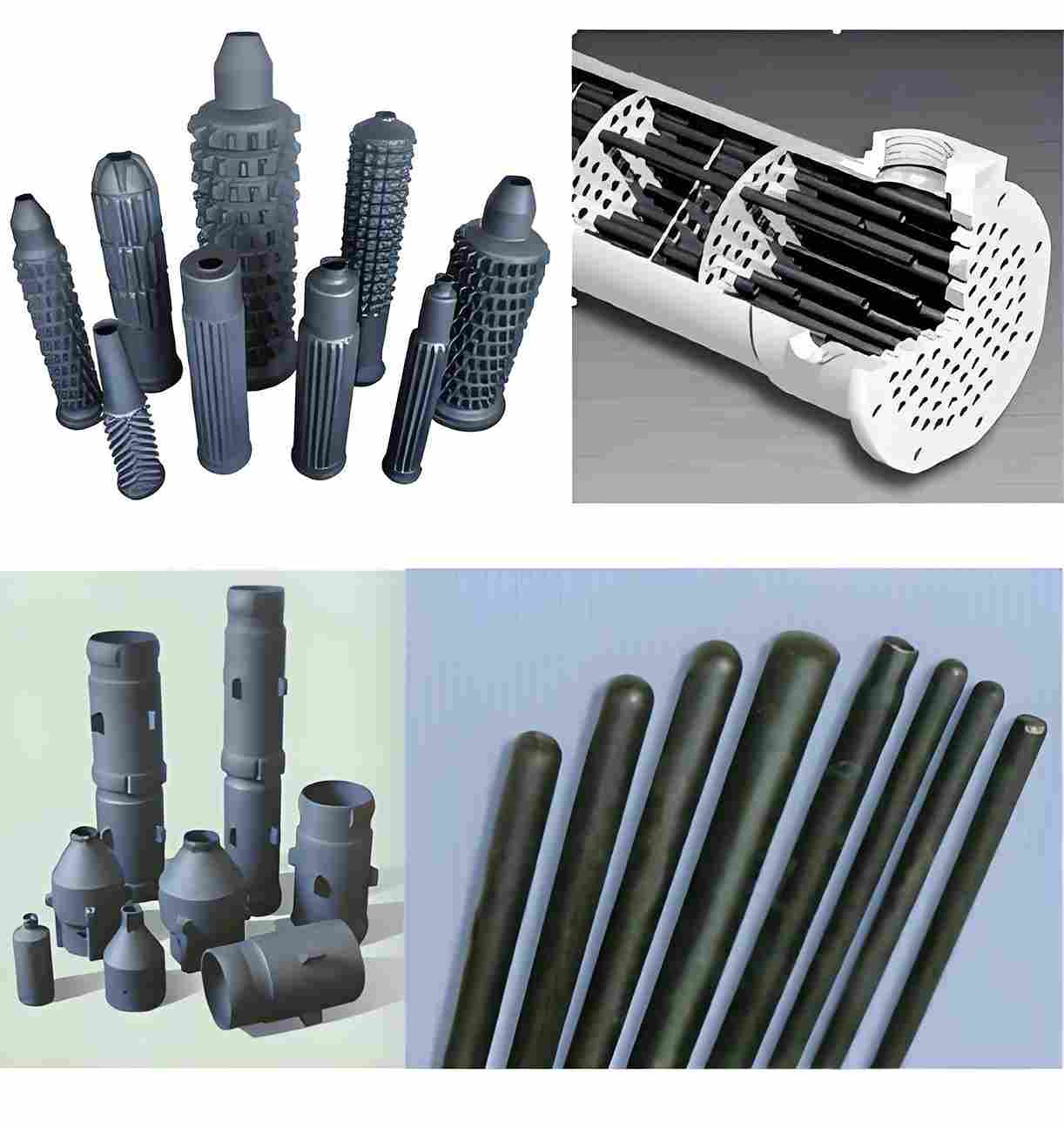
Silicon carbide (SiC) is rapidly becoming the material of choice for critical components that once relied on metallic alloys, thanks to its unmatched high‑temperature strength, wear resistance, and chemical inertness.
Quick Summary
- SiC offers 2‑3× higher hardness than Inconel or duplex stainless steel.
- Thermal shock resistance allows cycling from -150 °C to 1600 °C without cracking.
- Corrosion tests show <10 % weight loss in molten salts after 1000 h, whereas most nickel‑based alloys degrade >30 %.
- Standard‑size SiC tubes, plates, and seal rings are stocked for 24‑hour delivery; custom parts are engineered from CAD to final inspection within 4‑8 weeks.
- ZIRSEC provides full B2B support: engineering consultation, CNC machining to ±0.2 mm, quality certificates (COA, MSDS) and end‑to‑end logistics.
1. What Drives the Shift from Metal Alloys to SiC?
Manufacturers in petrochemical, steelmaking, power generation and advanced machining face three recurring pain points:
- Frequent downtime caused by alloy‑part creep, oxidation or wear.
- High maintenance costs – replacing an alloy valve seat can cost $10 000–$20 000 per event.
- Lengthy lead times for specialty alloys that require heat‑treatment and certification.
SiC resolves all three. Its ceramic matrix remains stable at temperatures where metals soften (above 1200 °C) and its inert surface resists the aggressive chemicals found in chlorination, sulfuric environments and molten metals.
1.1 Mechanical Superiority
Typical Inconel 718 exhibits a tensile strength of 1.3 GPa at 650 °C, dropping below 0.8 GPa beyond 900 °C. SiC ceramic retains a flexural strength of 350–500 MPa up to 1500 °C, and its Vickers hardness (9–10 GPa) outlasts alloy hardness (≤7 GPa). In practice, a SiC seal ring installed in a high‑pressure pump at a German chemical plant endured 2 000 h of operation without measurable wear, whereas the previous alloy ring needed replacement after 650 h.
1.2 Thermal Shock and Expansion
The coefficient of thermal expansion (CTE) for SiC (4–5 ×10⁻⁶ /K) is less than half that of stainless steel (17 ×10⁻⁶ /K). When a component experiences rapid heating‑cooling cycles, the low CTE limits internal stress, preventing micro‑cracks. A field test at a US solar‑thermal power plant showed SiC absorber tubes surviving 2000 °C → ‑150 °C cycles with zero failure, while a comparable nickel‑based tube cracked after 450 cycles.
1.3 Chemical Resilience
In molten salt reactors, the environment is highly corrosive (NaCl‑KCl eutectic). SiC showed <0.5 % weight loss after 2000 h exposure, whereas Hastelloy N lost 12 % under the same conditions. The same trend appears in sulfuric‑acid pumps, chlorine‑rich smelting furnaces, and high‑purity silicon crystal growth chambers.
2. Real‑World Applications Where SiC is Already Winning
2.1 Pump‑Seal Rings in Petrochemical Plants
Europe’s leading pump‑valve manufacturer replaced its Inconel‑based seal rings with SiC ceramic rings from ZIRSEC. The switch cut annual maintenance‑time by 70 % and eliminated a recurring $15 000 production loss caused by seal‑ring failure.
2.2 Furnace Tubes for Steel Reheating
A German steel mill installed SiC tubes in its 1650 °C norm‑core furnace. After one year the tubes showed no erosion, while the legacy alloy tubes required replacement after 8 months. The resulting production uptime increase was quantified at 3 % – a $250 000 value for that facility.
2.3 Burner Nozzles in Renewable Energy Systems
In a California solar‑thermal plant, SiC burner nozzles allowed stable operation at 1600 °C, delivering a 12 % efficiency gain over traditional stainless‑steel nozzles. The nozzles, stocked as a standard product on ZIRSEC’s website, were shipped within 48 hours after the engineering team received the CAD file.
3. How SiC Compares Directly to Common Metallic Alloys
| Property | SiC Ceramic | Inconel 718 | Duplex Stainless Steel |
|---|---|---|---|
| Maximum Service Temperature | ≥ 1600 °C | ≈ 1000 °C | ≈ 800 °C |
| Vickers Hardness | 9‑10 GPa | 4‑5 GPa | 3‑4 GPa |
| Thermal Conductivity (W/m·K) | 120‑150 | 10‑15 | 20‑25 |
| CTE (×10⁻⁶ /K) | 4‑5 | 13‑15 | 14‑16 |
| Corrosion Rate in Molten Salt (wt%/1000 h) | ≤ 0.5 | ≈ 12 | ≈ 8 |
The numbers make it clear: SiC is not a niche material; it outperforms metallic alloys on every parameter that matters for critical components.
4. Addressing Common Objections
4.1 Cost Concerns
Initial unit price of a SiC tube ($30‑$80) can be higher than a comparable alloy tube ($20‑$45). However, total cost of ownership (TCO) tells a different story. Factoring in:
- Reduced replacement frequency (1‑2 % of alloy downtime)
- Lower energy consumption due to higher thermal conductivity
- Elimination of corrosion‑related shutdowns
Most of our customers report a payback period of 12‑18 months.
4.2 Machinability Myths
SiC is harder to machine, but modern CNC grinding and laser trimming can achieve ±0.1 mm tolerances. ZIRSEC’s in‑house CNC line uses diamond‑coated wheels that finish a 25 mm SiC plate to surface roughness Ra 0.8 µm in under 30 minutes. For complex geometries, we offer EDM and laser‑driven micro‑fabrication.
4.3 Reliability of Supply
Because SiC is a ceramic, the raw‑material supply chain is less volatile than nickel‑price fluctuations. ZIRSEC maintains a 12‑month raw‑powder inventory, guaranteeing lead times of 2‑4 weeks for standard sizes and 6‑8 weeks for custom drawings.
5. Choosing the Right SiC Component – A Practical Guide
When evaluating whether to replace a metallic part with SiC, follow these three steps:
- Define operating envelope – temperature range, pressure, chemical exposure, and thermal‑cycle frequency.
- Map failure modes – identify if creep, oxidation, wear or thermal shock is the dominant risk.
- Run a comparative TCO model – include purchase price, expected lifespan, maintenance hours, and energy savings.
Most of our engineering partners use a simple spreadsheet that captures the above data; the model usually shows SiC winning within two years.
5.1 Design Tips for SiC Parts
- Allow for a slight “shrinkage” tolerance of 0.1 % after sintering.
- Use metal‑compatible seals (e.g., PTFE or metal‑copper alloy) to avoid galvanic corrosion.
- Design clearances of ≥ 0.2 mm for high‑speed rotating shafts to accommodate the lower thermal expansion.
6. Why ZIRSEC Is the Partner You Need
We have been producing high‑purity SiC ceramics for two decades, combining Chinese manufacturing scale with European‑level quality control.
- Stocked Standard Portfolio – Over 150 SKUs of tubes, plates, rings and rollers ready for 24‑hour dispatch.
- Custom Engineering – Our in‑house engineers work from customer CAD files to final inspection, delivering tolerance‑controlled parts (±0.2 mm) and full certification (COA, MSDS).
- End‑to‑End Logistics – From factory floor to your dock, we manage export documentation, freight forwarding and insurance.
- Technical Support – Direct access to a product engineer for design reviews, thermal‑stress analysis, and material selection.
Explore our SiC tube catalog here and request a free sample for your next project.
7. Frequently Asked Questions (FAQ)
What is the typical lifespan of a SiC component compared to Inconel?
In high‑temperature, corrosive environments SiC can exceed 10 000 h of continuous service, whereas Inconel often requires replacement after 2000‑3000 h.
Can SiC be welded or brazed like metal?
No. SiC parts are joined by mechanical fastening, ceramic adhesives, or metal‑ceramic brazing processes that use compatible filler alloys (e.g., Ti‑Al‑C). ZIRSEC provides design recommendations for each method.
Is there a size limit for custom SiC parts?
Our largest single‑piece tube is 600 mm diameter × 1500 mm length. For oversized requests we offer modular assembly using interlocking SiC segments.
How do I verify the purity of the SiC I receive?
Each shipment includes a Certificate of Analysis (COA) confirming ≥ 98 % SiC purity, along with XRD and SEM inspection reports.
8. Take the Next Step
If your equipment is still dependent on metallic alloys, the hidden costs of downtime, maintenance and premature failure are likely eating into your profit margin. Contact ZIRSEC today for a free engineering consultation, a quick price quote, and a sample that will prove SiC’s superiority on the shop floor.
Email: info@zirsec.com – we respond within 24 hours.