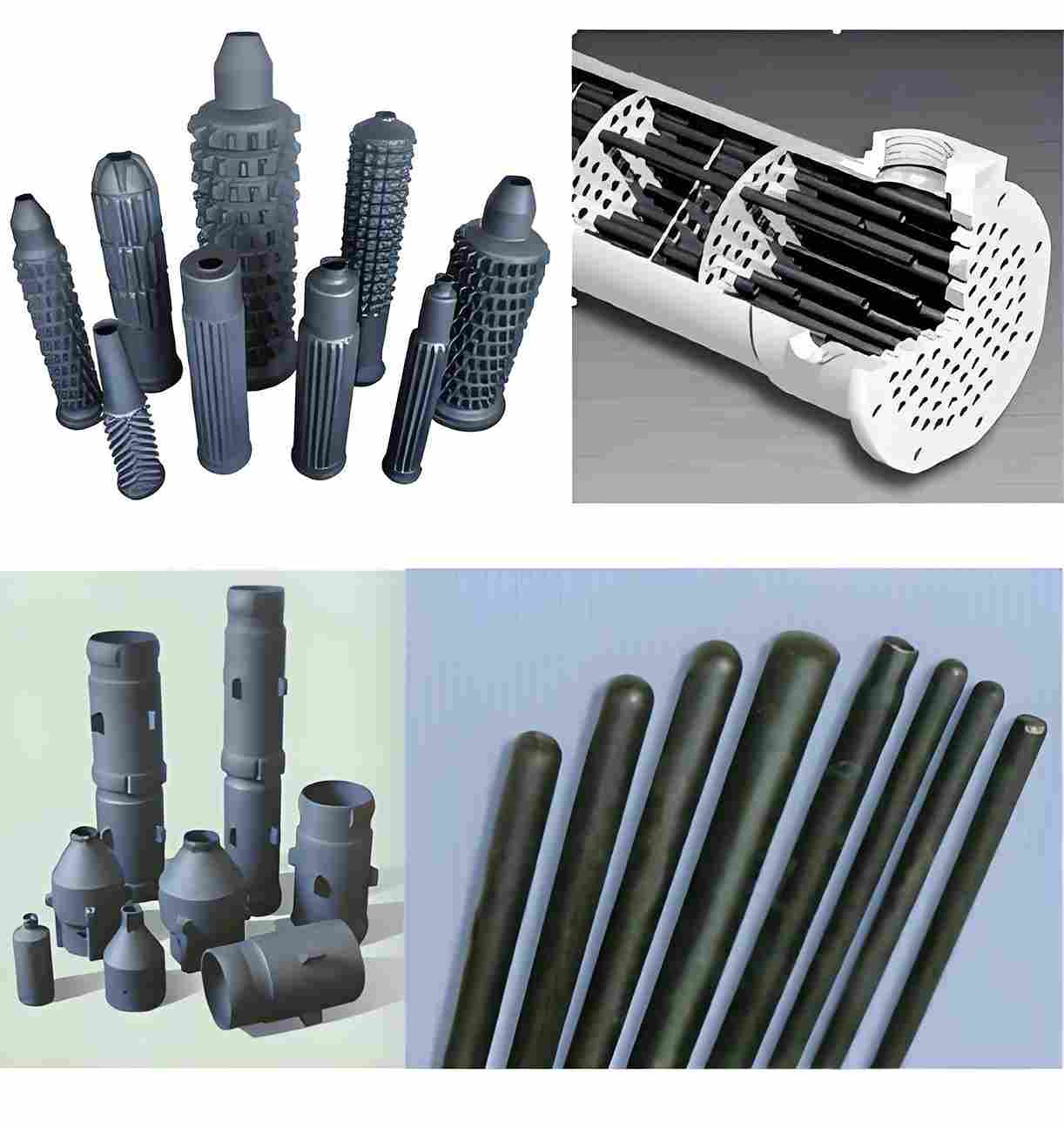
Silicon carbide (SiC) crucibles are built for extreme heat and aggressive melts, but they are not indestructible. Most premature failures are not caused by the material itself, but by how the crucible is installed, heated, charged, cleaned, and stored.
With a few disciplined maintenance practices, you can significantly extend crucible life, stabilize melt quality, and cut unplanned downtime. This guide summarizes best practices for silicon carbide crucible maintenance that you can standardize across your furnace operations.
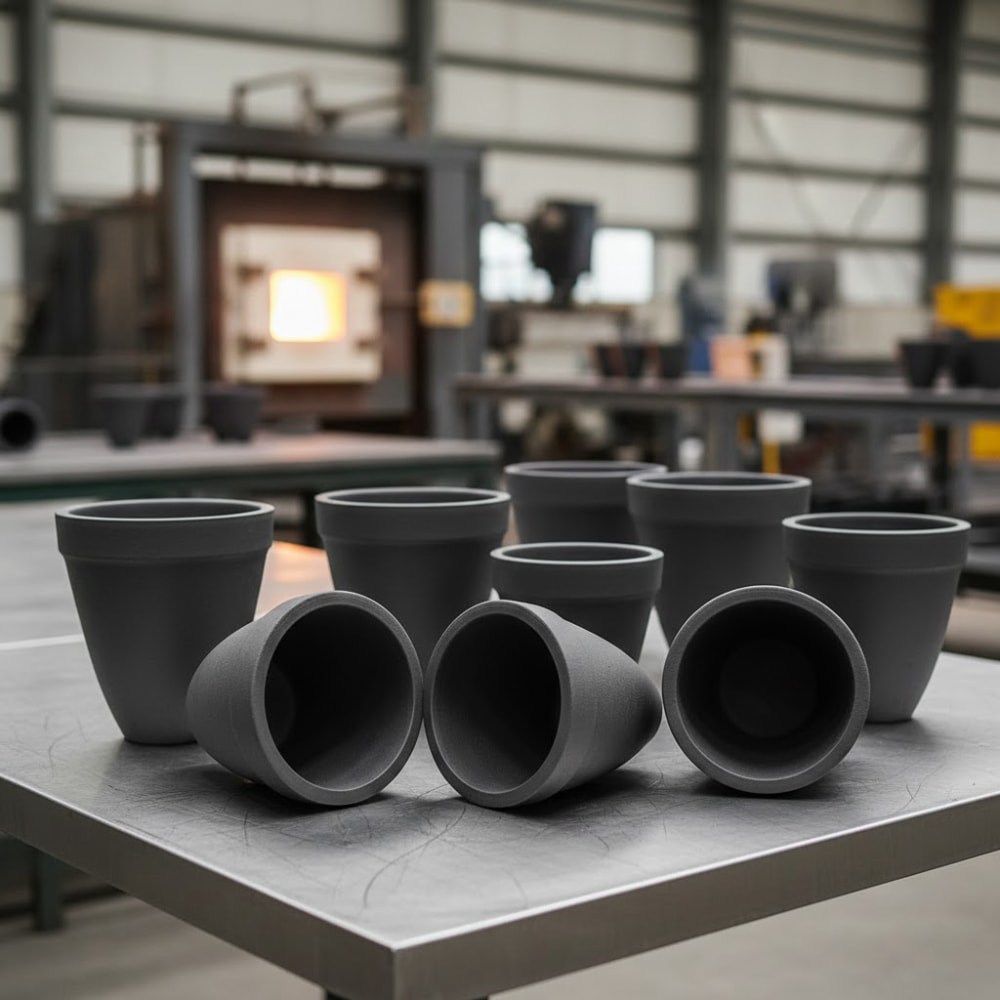
Why maintenance matters even with silicon carbide
Compared with many traditional crucible materials, SiC offers superior thermal shock resistance, high-temperature strength, and chemical resistance. You chose it because you wanted longer life and more reliable melts.
But poor handling can still destroy a new crucible in a handful of heats. Typical avoidable failures include:
- Thermal shock cracks from aggressive heat-up or charging cold, damp charge into a hot crucible
- Mechanical damage from tongs, tools, or impact on the furnace rim or floor
- Chemical attack from incompatible fluxes, slag, or cleaning methods
- Localized overheating from misaligned burners or concentrated induction fields
Good maintenance is simply a way to protect your investment and keep the crucible working in the conditions it was designed for.
Before first use: conditioning your SiC crucible
Putting a new crucible directly into full-load, full-temperature service is asking for trouble. A controlled first firing helps drive off residual moisture, stabilize the microstructure, and seal the surface.
1. Visual inspection
- Check for visible cracks, chips, or impact damage from transport.
- Verify that the crucible sits flat and stable on its base or support blocks.
- Confirm markings (size, type, recommended temperature range) match your order.
2. Drying and preheating
- Ensure the crucible is completely dry before heat-up. If it has been stored in a humid environment, allow slow air-drying in a warm, dry area.
- For gas or oil furnaces, ramp up temperature in stages (for example, room temperature → 200 °C → 600 °C → operating range) with holds to allow uniform heating.
- For electric or induction systems, increase power gradually rather than going straight to full kW.
3. Initial seasoning run
- Many operators run an initial “empty heat” or low-level melt to condition the lining and crucible surface.
- Avoid aggressive fluxing or heavy slag during this first run. The goal is gentle stabilization, not maximum throughput.
Best practices during operation
Most crucibles fail in service, not in storage. The way you run melts day to day has a huge impact on life.
4. Correct charging practices
- Never drop heavy ingots or scrap directly into the crucible. Use smaller pieces or controlled placement to avoid impact damage.
- Preheat large, cold charge materials when practical, especially in high-output furnaces.
- Avoid wedging oversized scrap pieces against the crucible wall; point loads can initiate cracks.
5. Avoiding thermal shock
- Do not throw cold, damp, or wet charge into a hot crucible. Moisture flashes to steam and can spall the wall.
- Protect the crucible from direct cold air drafts when the furnace door is open.
- If you must idle at lower temperature, step down gradually instead of cutting heat instantly from peak temperature.
6. Burner and induction alignment
- In fuel-fired furnaces, ensure burner flames do not impinge directly on one spot of the crucible wall. Adjust burner angle and baffles for even heating.
- In induction furnaces, check that the coil and crucible are concentric and that the crucible sits at the designed height. Misalignment can create localized overheating.
7. Flux and slag management
- Use fluxes suitable for use with silicon carbide and your molten metal. Avoid strongly oxidizing fluxes that aggressively attack SiC.
- Minimize slag residence time in the crucible. Skim regularly instead of letting thick slag layers build up.
- Avoid mechanical “chiseling” of slag that can gouge the crucible wall; use methods that soften slag first.
8. Fill level and tapping
- Operate within the recommended minimum and maximum metal levels. Running too low exposes the upper wall to unnecessary temperature swing; overfilling increases mechanical stresses and risk of overflow.
- Check that tapping and pouring procedures do not involve striking the crucible lip with tools or launder hardware.
Cleaning your silicon carbide crucible without killing it
Cleaning is necessary; brutal cleaning is optional. Treat the crucible like a precision component, not a trash can.
9. Slag removal
- Remove slag while it is still hot and plastic, not after it has fully solidified and bonded.
- Use properly shaped skimmers and spoons rather than sharp steel bars or improvised tools.
- If heavy slag rings form, consider controlled soaking at temperature with compatible flux to soften and detach, rather than hammering directly on the wall.
10. Interior surface care
- Do not grind or aggressively abrade the inside of the crucible unless specified by the supplier.
- Avoid wire wheels or impact tools that can introduce microcracks and serve as initiation points for failure.
11. External cleaning
- Keep the crucible exterior free of metal spills and slag deposits as far as possible. Adhered metal can modify heat distribution and create local hot spots.
- Remove external deposits carefully with hand tools while the crucible is warm, not red-hot and not stone-cold.
Shutdown, storage, and reuse
How you treat the crucible when it is “off duty” matters almost as much as how you run it hot.
12. Controlled cooldown
- Allow the crucible to cool gradually inside the furnace or an insulated chamber when possible.
- Avoid forcing cold air across the hot crucible with fans or open doors for long periods.
13. Storage conditions
- Store cooled crucibles in a dry, covered area away from direct rain, floor moisture, or condensation.
- Do not stack crucibles directly on rough concrete; use wooden pallets or padded supports.
- Do not use a crucible as general storage for scrap, tools, or parts when it is off line.
14. Reheating a used crucible
- If a crucible has been idle for an extended period in a humid environment, treat it like a new crucible: dry and preheat gradually before full-temperature service.
- Check for signs of cracking or deformation before putting it back into the furnace.
Monitoring crucible health: what to check regularly
Establish a simple inspection routine. A few minutes per shift is enough to catch most issues early.
- Visual cracks: Look for vertical or circumferential cracks, especially near the base and lip.
- Wall thinning: Track any areas where erosion or chemical attack visibly reduces wall thickness.
- Deformation: Watch for bulging or out-of-round conditions that might indicate internal damage.
- Metal leaks: Even minor seeps or stains on the outside are a warning sign; never ignore them.
- Service life records: Log heats or operating hours per crucible to detect units that are aging faster than expected.
Integrating best practices into your operating procedures
To get consistent life from silicon carbide crucibles, maintenance habits need to survive shift changes and personnel turnover.
- Create a simple one-page SOP summarizing the key “do” and “don’t” items for crucible handling.
- Include crucible checks in start-up and shutdown checklists.
- Train operators and maintenance staff together so they understand each other’s constraints.
- Use photos of real failures from your plant to show the cost of bad practices.
Small changes in everyday behaviour (how charge is added, how slag is skimmed, how tools are used) often have a bigger impact on crucible life than any change in material grade.
FAQ: Maintenance of silicon carbide crucibles
1. How many heats should I expect from a silicon carbide crucible?
There is no universal number; life depends on metal type, temperature, flux, operating schedule, and how well the crucible is handled. In many foundries, switching from standard crucibles to SiC allows significantly more heats per crucible, but only if maintenance practices support it. Tracking heats and failure modes in your own plant is the most reliable benchmark.
2. Can I shock-cool a hot crucible with water to speed up maintenance?
No. Rapid cooling with water or very cold air is one of the fastest ways to crack or spall a SiC crucible. Always cool down gradually, and avoid spraying water directly on a hot crucible.
3. What is the biggest cause of premature crucible failure?
In most plants, the main culprits are mechanical abuse (impacts from charge or tools) and thermal shock (sudden temperature changes), followed by uncontrolled slag build-up and aggressive cleaning practices.
4. Which fluxes are safe to use with silicon carbide?
There is no one-size-fits-all answer; suitability depends on the metal and process. As a rule, avoid fluxes that are known to be strongly oxidizing or specifically aggressive to SiC. When in doubt, test on a limited scale and consult your crucible supplier with details of the flux chemistry.
5. How do I know when a crucible has reached end of life?
Common end-of-life indicators include visible through-thickness cracks, significant wall thinning, persistent external seepage of metal, and noticeable deformation. If you are hesitant whether a crucible is still safe, err on the side of replacing it during a planned stop rather than waiting for an in-service failure.
6. Is it better to keep one crucible always hot or to cycle it on and off?
Frequent deep thermal cycles are usually tougher on ceramics than steady or gently cycled operation. If production patterns allow, operating with controlled, predictable cycles is kinder to the crucible than random heat–cool spikes across days and shifts.
7. Can I repair small cracks or chips in a SiC crucible?
Minor surface chips that do not penetrate the wall may be tolerable, but structural cracks are not. Field “repairs” with patches or coatings rarely restore original strength. Once a crack runs through the wall or base, the crucible should be retired from service.
8. Should I rotate crucibles between different metals or processes?
Ideally, assign crucibles to a specific metal and process. Switching between very different metals, flux systems, or temperature regimes can accelerate wear and complicate failure analysis.
9. How can I quickly train new operators on proper crucible handling?
Provide a short, visual guideline (photos + simple rules) covering charging, slag removal, and forbidden tools. Pair new operators with experienced staff for the first weeks, and make crucible condition a visible performance metric, not an afterthought.
10. Where does Zirsec fit into maintenance planning?
Zirsec provides industrial-grade silicon carbide crucibles designed for high-temperature, high-wear service, plus engineering support on installation and operation. By combining the right crucible design with the maintenance practices outlined above, plants can convert silicon carbide’s material advantages into concrete gains in uptime and melt consistency.
When you treat SiC crucibles as critical assets instead of consumables, maintenance stops being a chore and becomes a direct lever on your melting cost per ton.