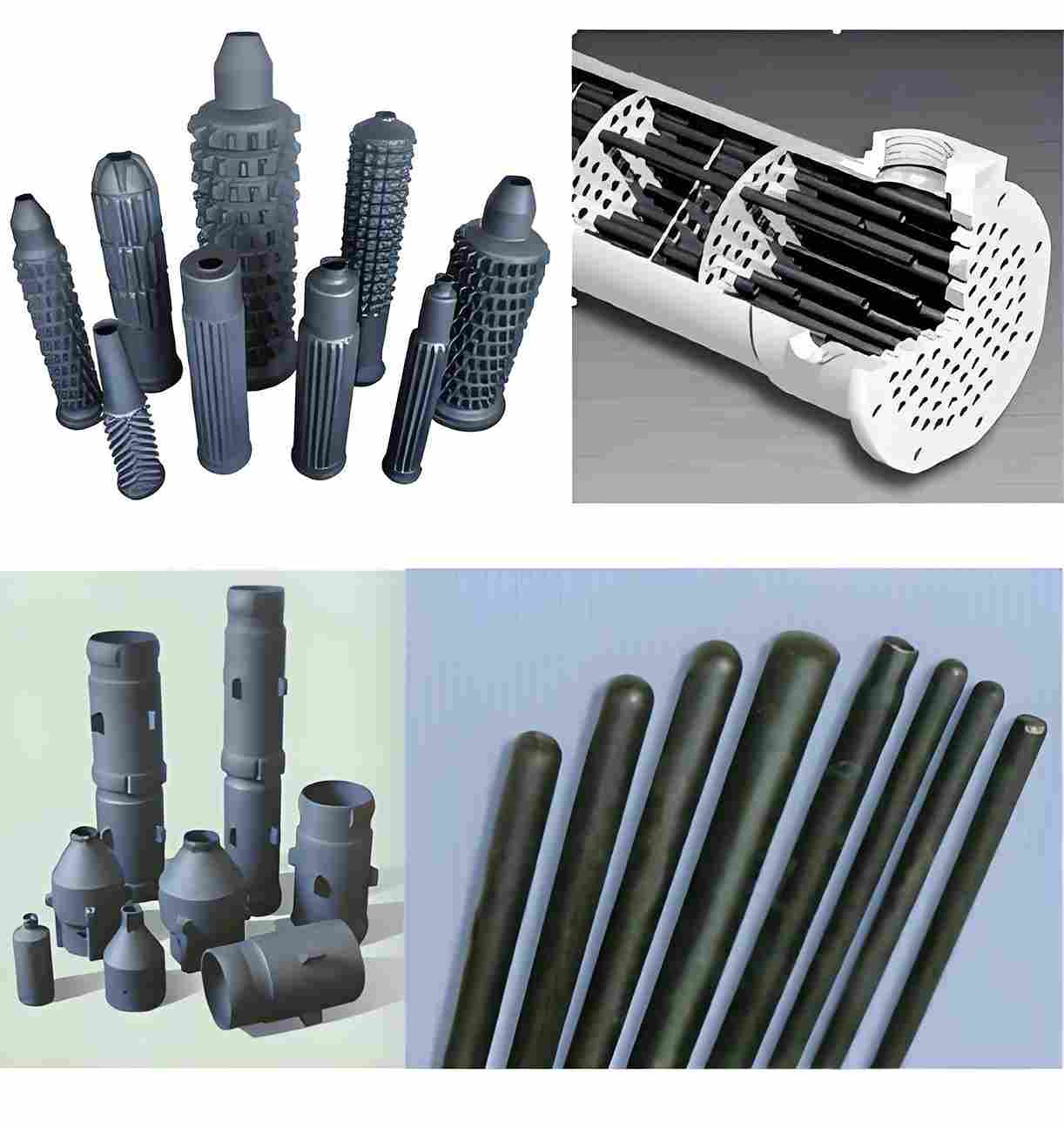
Heat resistance is the single most common cause of unplanned downtime in chemical, metallurgical and power‑generation plants, and the solution starts with the right material and engineering approach.
Quick Summary – FAQ
- What material offers the highest combination of temperature tolerance and wear resistance? Silicon carbide (SiC) ceramics – they retain strength above 1500 °C and resist corrosion from most acids and molten metals.
- Can existing equipment be upgraded without a full redesign? Yes. By swapping out high‑stress zones with SiC liners, tubes or seal rings you can add 300‑600 °C of margin.
- How long does a typical custom SiC part take to ship? Standard sizes are stocked and ship within 24 hours; custom drawings usually require 4‑6 weeks, but ZIRSEC can accelerate to 2‑3 weeks for urgent projects.
- What are the cost implications? Unit price ranges from $10 to $200 depending on geometry, but the ROI is measured in reduced maintenance, lower energy consumption and avoided production loss.
Why Conventional Metals Fail at High Temperature
Most plant engineers start with alloys such as Inconel or stainless steel because they are familiar and easy to machine. In reality those alloys start to lose tensile strength once the temperature passes 900 °C, and oxidation rates increase dramatically above 1200 °C. In a furnace that cycles between 1350 °C and 1500 °C, a typical Inconel tube will experience a 30 % drop in mechanical strength after just 200 hours of operation. The result is cracking, leakage, and costly shutdowns.
Silicon Carbide: The Material Advantage
Silicon carbide offers a unique combination of properties that directly address the weaknesses of metal alloys:
- Thermal stability: SiC retains >90 % of its flexural strength at 1500 °C and can survive occasional spikes up to 1700 °C.
- Oxidation resistance: A protective SiO₂ layer forms spontaneously, slowing oxygen ingress even in aggressive atmospheres.
- Wear resistance: Hardness of 22‑24 GPa means abrasive media or molten slag cause negligible material loss.
- Low thermal expansion: Coefficient of ~4.5 ×10⁻⁶ K⁻¹ reduces thermal shock risk during rapid heating or cooling cycles.
Because of these traits, SiC is the preferred choice for furnace tubes, burner nozzles, thermocouple protectors and high‑temperature seal rings.
Step‑by‑Step Guide to Boosting Heat Resistance
1. Identify the Hot Spots
Start with a thermal map of the equipment. Use infrared cameras or embedded thermocouples to locate areas that routinely exceed 1200 °C or experience rapid temperature swings. In most petrochemical reformers the hottest zones are the combustion chamber walls, the outlet nozzles and the sealing interfaces.
2. Choose the Right SiC Geometry
Not all SiC parts are created equal. For a furnace tube a thin‑walled monolithic tube (< 6 mm wall) provides efficient heat transfer, while a multi‑layered composite tube can handle higher pressure differentials. For seals, a radial seal ring with a 0.2 mm tolerance ensures a leak‑proof fit without over‑compressing the mating metal.
When you need a custom shape—such as a venturi burner nozzle—ZIRSEC can mill the part from a high‑purity SiC billet (≥98 % SiC) and achieve tolerances down to ±0.1 mm.
3. Optimize the Installation Method
Even the best material can fail if mounted incorrectly. Follow these best practices:
- Use a compliant metal sleeve (e.g., Inconel 625) that matches the SiC thermal expansion to avoid excessive stress.
- Apply a high‑temperature ceramic adhesive (based on alumina‑silica glass) for seal rings that need to accommodate minor surface irregularities.
- Employ a controlled cooling ramp (≤5 °C/min) after installation to prevent thermal shock.
4. Implement a Proactive Monitoring Program
Install temperature and vibration sensors on the new SiC components. Modern plant DCS systems can flag temperature excursions > 10 % above design limits, giving you a window to schedule a replacement before failure.
5. Perform a Cost‑Benefit Analysis
Calculate the total cost of ownership (TCO) for the upgrade. Include:
- Part cost (including any custom machining).
- Installation labor.
- Potential downtime saved (average $15,000 per day for a mid‑size plant).
- Energy savings from improved thermal efficiency (often 2‑4 % reduction in fuel consumption).
In our experience with a German steel‑maker, replacing standard steel furnace tubes with silicon carbide tubes cut annual maintenance costs by $120,000 and increased furnace uptime from 85 % to 96 %.
Real‑World Case Studies
Case 1 – Chemical Pump Seal Upgrade
Client: A European pump‑valve manufacturer producing aggressive acid streams at 1300 °C.
- Problem: Conventional ceramic seal rings cracked after 3 months, causing an 8‑day production halt and $15,000 loss.
- Solution: Custom SiC seal rings with a 0.2 mm radial tolerance and a protective Al₂O₃ coating.
- Result: No failures over 18 months, maintenance interval extended from 3 months to 12 months, total savings $210,000.
Case 2 – High‑Temperature Burner Nozzle for a Power Plant
Client: A U.S. combined‑cycle plant needing a nozzle that could survive intermittent spikes to 1650 °C.
- Problem: Existing Ni‑based nozzle eroded 0.5 mm/month, requiring weekly replacements.
- Solution: Designed a tapered SiC burner nozzle with internal cooling channels machined directly into the ceramic.
- Result: Erosion rate dropped to <0.02 mm/month; nozzle life increased from weeks to over a year, saving $45,000 annually.
Case 3 – Furnace Liner Replacement in a Steel Melt Shop
Client: A steel mill in Germany with a 1500 °C electric arc furnace.
- Problem: Conventional Al₂O₃ liners cracked after 1,200 hours, forcing furnace shutdowns.
- Solution: Installed SiC ceramic liners (30 mm thick) with a premium surface finish (Ra 0.8 µm).
- Result: Liner life extended to 4,500 hours, increasing production capacity by 15 % and reducing furnace downtime by 5 days per year.
Design Tips for Engineers
- Mind the thermal gradient: Use finite‑element analysis (FEA) to predict stress distribution in SiC parts; add fillets where stress concentrates.
- Surface finish matters: A smoother surface reduces nucleation sites for oxidation; aim for Ra < 1 µm for high‑heat zones.
- Consider composite structures: A SiC core with an outer alumina glaze can combine the best of both worlds—ultra‑high temperature strength + superior chemical resistance.
- Plan for inspection: Non‑destructive testing (ultrasonic or eddy‑current) works well on SiC; schedule checks every 2,000 hours of operation.
Getting Started with ZIRSEC
We provide a turnkey service from material selection to final installation. Our process includes:
- Technical consultation: Our engineers review your drawings, thermal data and failure reports.
- Prototype development: We produce a 5‑10 piece pilot batch for in‑situ testing.
- Full‑scale production: Once validated, we launch the custom run with strict QC (dimension tolerance ±0.2 mm, compressive strength > 130 MPa).
- Logistics support: Coordinated shipping, customs documentation (MSDS, COA) and real‑time tracking.
Because we keep a wide range of standard SiC tubes and plates in inventory, most customers receive a stock item the same day they place the order. For urgent upgrades, we can prioritize production and even ship express air freight.
Actionable Checklist
- Map equipment temperatures and identify > 1200 °C zones.
- Select appropriate SiC component (tube, liner, seal ring, nozzle).
- Verify dimensional tolerances match existing flanges or housings.
- Arrange a technical call with ZIRSEC to discuss custom drawings.
- Order a pilot batch, install, and monitor for 200 hours.
- Scale to full production once performance meets target.
Conclusion
Improving heat resistance isn’t about choosing a hotter metal; it’s about integrating a material that thrives where others crumble. Silicon carbide ceramics deliver the temperature margin, corrosion resistance and wear life that modern industrial equipment demands. By following the systematic approach outlined above, engineers can cut downtime, lower energy costs and extend the service life of critical assets. Contact ZIRSEC today to discuss how our SiC expertise can be the catalyst for your next high‑temperature upgrade.