Choosing between silicon carbide crucibles and graphite crucibles is not a matter of brand preference – it is a question of how your melting process really behaves: temperature, atmosphere, alloy chemistry, cycle rate and operator habits.
Both materials have a long history in metal casting and furnace operations. Silicon carbide (SiC) crucibles are known for strength and oxidation resistance; graphite crucibles are known for excellent thermal shock resistance and good performance in the right atmosphere. Pick the wrong one and you get cracked pots, metal contamination and unplanned downtime.
This guide compares silicon carbide vs graphite crucibles for aluminium, copper, brass and other non-ferrous metal melting, and explains why many foundries now upgrade to high-performance SiC crucibles such as those supplied by Zirsec.
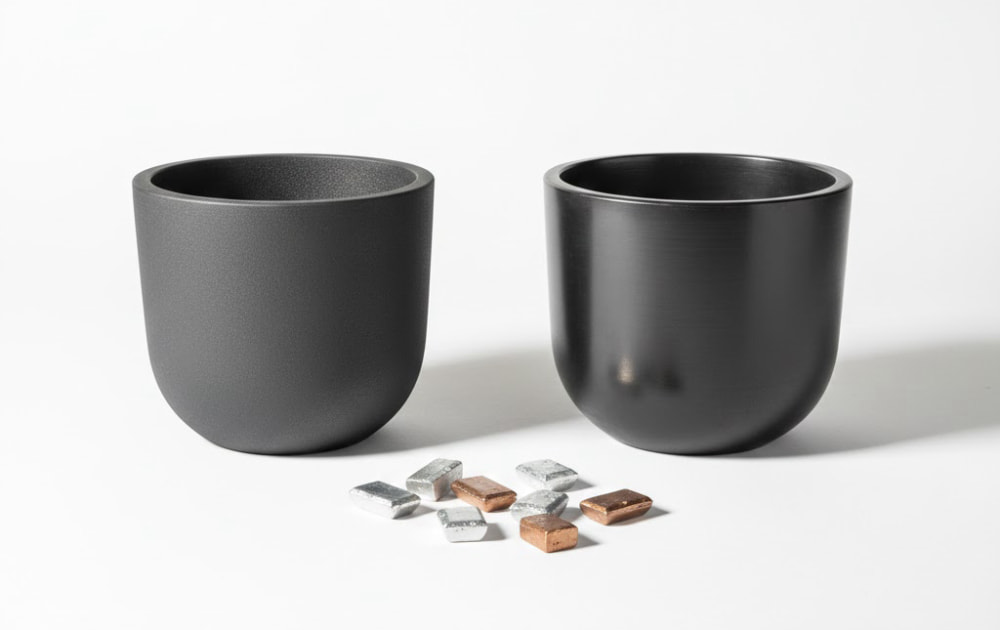
Silicon Carbide and Graphite Crucibles – Basic Overview
Silicon Carbide Crucibles
Silicon carbide crucibles are usually engineered as a bonded composite with a high SiC content. Key features include:
- High mechanical strength at elevated temperature
- Good oxidation resistance in many furnace atmospheres
- High thermal conductivity for efficient heat transfer
- Good thermal shock resistance when fired and handled correctly
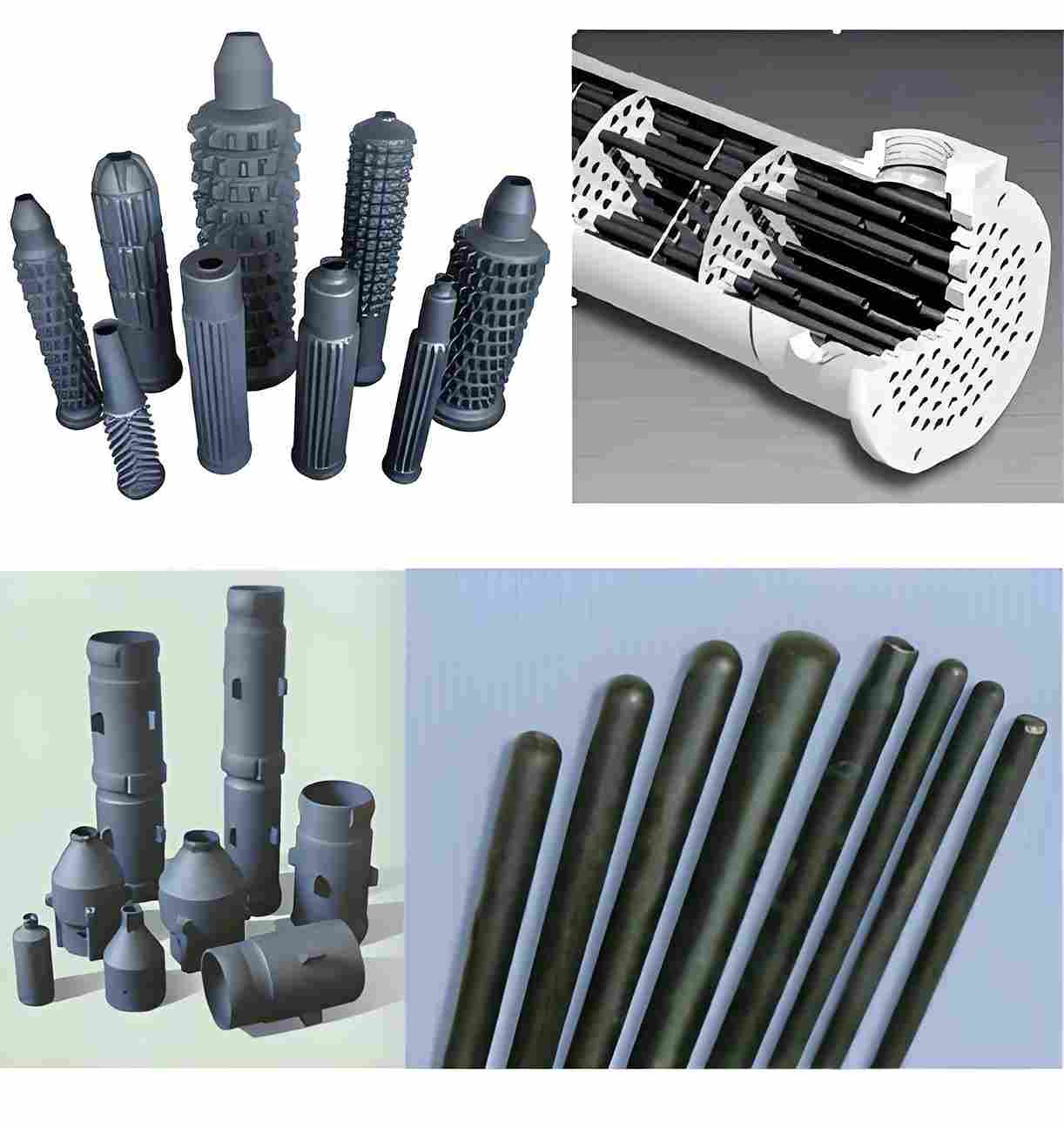
They are widely used in fuel-fired and electric furnaces for non-ferrous melting. Zirsec supplies silicon carbide crucibles and related SiC plates and kiln furniture for foundries and metal-processing plants that need longer crucible life and more stable performance.
Graphite Crucibles
Graphite crucibles are based on carbon materials (natural or synthetic graphite) bound with clays or other binders. They are known for:
- Excellent thermal shock resistance
- Very high thermal conductivity
- Good performance in inert or reducing atmospheres
- Susceptibility to oxidation in air at high temperature
Graphite crucibles work well when oxygen is controlled and operating practices respect their sensitivity to oxidation and chemical attack.
Key Comparison: Silicon Carbide vs Graphite Crucibles
The table below summarises typical trends (values vary by grade and manufacturer, but the tendencies are consistent in foundry practice):
| Property | Silicon Carbide Crucible | Graphite Crucible | Impact in Metal Melting |
|---|---|---|---|
| Max service temperature (°C) | Very high, suitable for non-ferrous and many alloy steels (grade-dependent) | Very high in inert/reducing atmospheres; limited by oxidation in air | Both handle high heat; graphite needs careful atmosphere control. |
| Oxidation resistance (in air) | Good to excellent | Limited – graphite burns in oxygen at high temperature | SiC generally lasts longer in open or leaky furnaces. |
| Thermal conductivity | High | Very high | Both heat up quickly; graphite can give very fast response. |
| Thermal shock resistance | Good to excellent | Excellent | Graphite tolerates brutal thermal shocks; SiC needs proper preheat. |
| Mechanical strength at temperature | High – strong walls, good shape retention | Good, but can weaken with oxidation and repeated cycles | SiC often shows less deformation and cracking over long campaigns. |
| Corrosion resistance (metal + flux) | Very good in many non-ferrous melts and fluxes | Good, but more sensitive to certain oxidising slags and fluxes | SiC is often more forgiving with “less than perfect” flux management. |
| Carbon pick-up risk | Low (depending on design and lining) | Higher – graphite may add carbon to some melts | SiC is safer where carbon content must be tightly controlled. |
| Typical applications | Non-ferrous alloys, aluminium, copper-based, some steels | Non-ferrous metals, precious metals, controlled-atmosphere melting | Both have overlap; choice depends on furnace and alloy. |
| Unit cost | Higher | Often lower | Graphite can be cheaper per piece; SiC pays off in longer life. |
In simple terms: graphite crucibles are flexible and shock-resistant but vulnerable to oxidation; silicon carbide crucibles are stronger and more oxidation-resistant, especially in air-fired or partially oxidising atmospheres.
Heat Behaviour and Furnace Compatibility
Fuel-Fired and Open-Flame Furnaces
In fuel-fired or open-flame furnaces, oxygen and flame impingement are difficult to avoid completely. Under these conditions:
- Graphite crucibles gradually oxidise, thinning the walls and changing dimensions.
- Silicon carbide crucibles offer better resistance to hot gas attack, especially in the upper temperature range.
If your operators prefer fast heat-up, frequent charging and open doors, SiC crucibles usually deliver more stable life than graphite in the same furnace.
Electric Resistance and Induction Furnaces
In electric resistance or induction furnaces, atmosphere control is usually better, but not perfect. Silicon carbide crucibles offer:
- Strong, self-supporting walls suited to mechanical handling and tilting.
- High thermal conductivity for efficient energy use.
Graphite crucibles can work very well in inert gas or vacuum, but in air or semi-oxidising conditions their life is limited by surface burn-off and oxidation damage.
Thermal Shock and Cycle Frequency
Graphite crucibles are famous for surviving rough handling and thermal shocks, including:
- Rapid charging of cold ingots into a hot crucible.
- Fast withdrawals and reinsertions into hot zones.
- Frequent on–off cycles.
Silicon carbide crucibles also have good thermal shock resistance, but they benefit from:
- Proper preheating and controlled first heat.
- Avoiding extreme temperature jumps during the initial cycles.
Once established, SiC crucibles typically give long, repeatable campaigns when standard operating procedures are followed.
Corrosion and Metal Quality
Interaction with Molten Metal and Fluxes
Both crucible types are exposed to molten metal and flux. Typical behaviours:
- Silicon carbide crucibles resist many non-ferrous melts (Al, Cu, brass, bronze) and common fluxes, with gradual wear rather than sudden failure.
- Graphite crucibles handle many of the same alloys well, but can suffer accelerated attack with aggressive oxidising fluxes or poor flux management.
For foundries where flux selection and atmosphere control are not always ideal, SiC crucibles often give more forgiving performance.
Carbon Pick-Up Risk
Graphite crucibles can introduce carbon pick-up into certain alloys, which may be undesirable for:
- Low-carbon or clean aluminium alloys.
- Some copper-based alloys where carbon content must be tightly controlled.
Silicon carbide crucibles generally present lower risk of carbon contamination, making them attractive where composition windows are tight.
Lifetime, Cost and Total Economics
Crucible Lifetime in Real Foundries
On paper, graphite often looks cheaper per unit. In practice:
- Graphite crucibles may be replaced more frequently due to oxidation and mechanical damage.
- Silicon carbide crucibles typically offer longer campaigns when correctly preheated and operated.
Each unscheduled failure brings:
- Loss of metal and production time.
- Labour costs for emergency replacement.
- Possible damage to furnace refractories.
When these factors are added, the “cheaper” crucible is often not the one with the lowest purchase price.
Operating Practices and Training
No crucible can survive bad practice. However, silicon carbide’s strength and oxidation resistance give you more margin for:
- Minor atmosphere leaks or open doors.
- Imperfect flux maintenance.
- Less-than-ideal charging patterns.
Graphite crucibles can deliver excellent life in disciplined operations with well-controlled atmospheres. SiC crucibles generally cope better with the messy reality of many jobbing foundries and mixed-operations plants.
Practical Selection Guide: SiC vs Graphite Crucibles
Use the following questions as a quick filter:
- Is your furnace atmosphere reliably inert or reducing? If yes, graphite and SiC are both options; atmosphere-sensitive oxidation is less of a concern.
- Is oxygen or hot gas contact difficult to avoid? Fuel-fired or open-flame furnaces → silicon carbide usually wins on lifetime.
- Do you need high confidence in alloy chemistry (low carbon pick-up)? → silicon carbide is generally safer.
- Is brutal thermal shock part of your standard operating practice? → graphite tolerates abuse; SiC can work well if you improve preheat and charging discipline.
- Are unplanned shutdowns painful and expensive? → silicon carbide’s longer, more predictable life often provides better total economics.
Example: Upgrading from Graphite to Silicon Carbide Crucibles
Background
A non-ferrous foundry used graphite crucibles in fuel-fired furnaces for aluminium and brass melting. As production increased, operators pushed faster heat-up, more frequent charging and ran with furnace doors open more often. Crucible failures and wall thinning became common, leading to leaks and emergency replacements.
Approach
- Replace existing graphite crucibles with appropriately sized silicon carbide crucibles from Zirsec.
- Introduce a basic preheat procedure for new crucibles and the first few heats.
- Train operators to control flux usage and reduce unnecessary open-door time.
Results
- Crucible life increased significantly, with fewer sudden failures.
- Metal loss due to crucible leaks was reduced.
- Maintenance planning improved, as crucible wear became more predictable.
FAQ – Silicon Carbide vs Graphite Crucibles
Q1. Are silicon carbide crucibles always better than graphite crucibles?
No. Silicon carbide crucibles are usually better where oxidation, long campaigns and alloy control matter. Graphite crucibles can be an excellent choice in well-controlled inert or reducing atmospheres with good operating discipline. The right choice depends on your furnace, alloy and working habits.
Q2. Do silicon carbide crucibles need special preheating?
Yes, like all high-performance crucibles they benefit from controlled preheating before first use and during the first few heats. This helps stabilise the material and reduces thermal shock risk. Once properly conditioned, they deliver long service with standard operating procedures.
Q3. Will switching from graphite to silicon carbide affect my melting time?
Both SiC and graphite crucibles have high thermal conductivity and heat up quickly. In many cases, silicon carbide crucibles match or slightly improve melting behaviour, especially when wall thickness and furnace setup are optimised.
Q4. Is carbon pick-up from graphite crucibles always a problem?
Not always. In many aluminium and copper alloys the effect is small or manageable. It becomes a concern when carbon content must stay within tight limits or when your quality team has seen unexplained carbon variations that correlate with crucible wear.
Q5. What information should I prepare before asking Zirsec for silicon carbide crucible recommendations?
Provide alloy type, furnace type, atmosphere (air, gas, inert), target charge weight, operating temperature, current crucible material and typical lifetime, plus any failure issues (cracking, leaks, oxidation). With this, Zirsec can recommend suitable silicon carbide crucible sizes and grades to match your metal melting operation.
In summary: use graphite crucibles where atmosphere is tightly controlled and extreme thermal shock is routine; use silicon carbide crucibles where oxidation, lifetime and alloy quality matter more than saving a few seconds on preheating. In most real foundries, SiC ends up being the more reliable long-term workhorse.